
E-Commerce Revolution: How AI Chatbots Reduce Cart Abandonment and Boost Sales
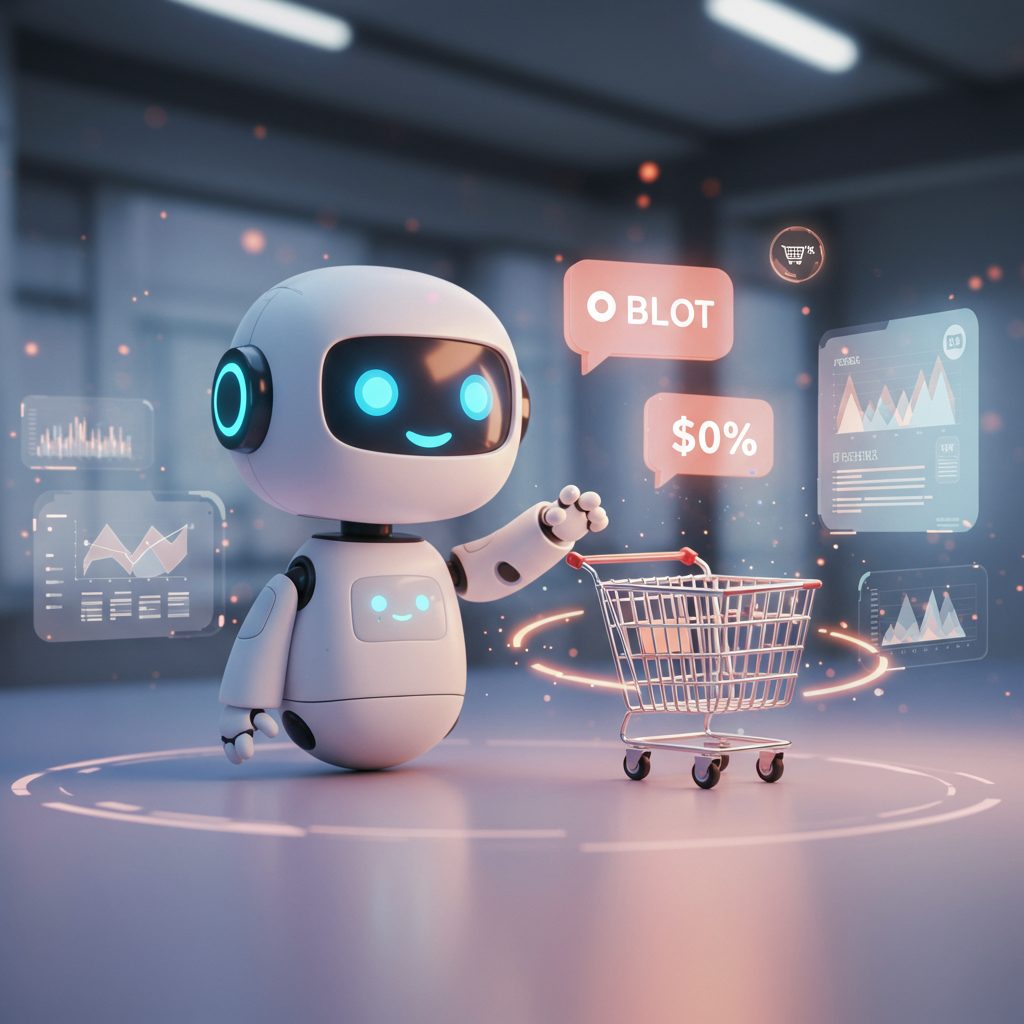
E-Commerce Revolution: How AI Chatbots Reduce Cart Abandonment and Boost Sales
In the dynamic world of e-commerce, the battle for customer attention and conversion is fiercer than ever. One of the most persistent challenges businesses face is cart abandonment, a phenomenon where potential customers add items to their shopping carts but leave before completing the purchase. This issue costs e-commerce businesses trillions annually [9]. However, a new era is dawning, powered by AI chatbots for e-commerce, which are rapidly transforming how online retailers engage with customers, recover abandoned carts, and ultimately, boost sales.
This article delves into how these intelligent virtual assistants are becoming indispensable tools for modern online businesses. We'll explore their multifaceted roles, from proactive customer engagement to personalized support, and how they contribute to a seamless shopping experience that minimizes abandonment and maximizes revenue. The integration of AI chatbots is not just a trend; it's a strategic imperative for any e-commerce business looking to thrive in a competitive digital landscape.
The Pervasive Problem of Cart Abandonment in E-Commerce
Cart abandonment remains a significant hurdle for e-commerce success. Statistics reveal that a staggering 70.22% of online shopping carts are abandoned globally [11]. This translates to an estimated $4.6 trillion in lost sales annually [11]. The reasons for abandonment are varied, ranging from unexpected shipping costs and complex checkout processes to security concerns and simply being distracted [6]. Understanding these pain points is the first step toward implementing effective solutions.
Traditional methods of recovery, such as follow-up emails, often fall short due to delayed engagement. The key to combating cart abandonment lies in real-time, personalized intervention. This is precisely where AI chatbots for e-commerce shine, offering immediate assistance and tailored incentives that can turn a hesitant browser into a loyal customer.

AI Chatbots: Your E-Commerce Superpower for Recovery and Engagement
AI chatbots are more than just automated response systems; they are sophisticated tools capable of understanding customer intent, providing instant support, and guiding shoppers through their purchase journey. Their ability to operate 24/7 ensures that no customer query goes unanswered, and no potential sale is missed due to lack of immediate assistance. This constant availability is crucial for customer engagement in a global marketplace.
Real-Time Assistance and Query Resolution
One of the primary ways AI chatbots reduce cart abandonment is by offering real-time assistance. When a customer encounters an issue—be it a question about product specifications, shipping policies, or payment options—a chatbot can provide immediate answers. This prevents frustration and eliminates common reasons for leaving a cart. By resolving queries instantly, chatbots keep the customer engaged and moving towards checkout [8].
Proactive Engagement and Personalized Offers
Beyond reactive support, AI chatbots can proactively engage customers. If a shopper lingers on a product page or an abandoned cart, the chatbot can initiate a conversation, offering help or even a personalized discount to encourage completion of the purchase [7]. This timely intervention can be a game-changer, transforming potential losses into conversions. The personalization aspect, driven by AI, ensures that offers are relevant and compelling, increasing their effectiveness.
Boosting Sales Through Enhanced Customer Experience
The impact of AI chatbots extends beyond just reducing abandonment; they are powerful drivers of increased sales and improved customer satisfaction. By creating a seamless, efficient, and personalized shopping experience, chatbots foster loyalty and encourage repeat business. This holistic approach to customer interaction is vital for long-term e-commerce growth.
Streamlined Checkout Process
Chatbots can simplify the checkout process by guiding customers step-by-step, pre-filling information, and addressing any last-minute concerns. A smoother checkout flow directly translates to fewer abandoned carts and higher conversion rates. This efficiency is a direct benefit of integrating AI chatbots for e-commerce.
Upselling and Cross-selling Opportunities
Leveraging customer data and browsing history, AI chatbots can intelligently suggest complementary products or upgrades, effectively upselling and cross-selling. These personalized recommendations not only increase the average order value but also enhance the customer's shopping experience by introducing them to relevant items they might not have discovered otherwise. This intelligent sales automation is a key advantage.

Implementing AI Chatbots: Best Practices for E-Commerce Success
To fully harness the power of AI chatbots, businesses must implement them strategically. This involves careful planning, integration with existing systems, and continuous optimization based on performance data. A well-implemented chatbot solution can significantly enhance customer engagement and drive substantial returns.
Integration with CRM Systems
Integrating AI chatbots with CRM (Customer Relationship Management) systems, like KeyconnectAI CRM, is crucial. This allows chatbots to access customer history, preferences, and past interactions, enabling truly personalized conversations and offers. A unified view of the customer ensures consistency and relevance across all touchpoints. KeyconnectAI CRM Integration
Continuous Learning and Optimization
AI chatbots are not static; they learn and improve over time. Businesses should regularly analyze chatbot interactions, identify areas for improvement, and update their knowledge base. This iterative process ensures that the chatbot remains effective and continues to provide value to customers. Optimizing Chatbot Performance
Human Handover and Escalation
While AI chatbots are highly capable, there will be instances where human intervention is necessary. A well-designed chatbot system should seamlessly hand over complex queries to human agents, ensuring that customers always receive the support they need. This blend of AI efficiency and human empathy creates an optimal customer service experience. According to Gartner, by the end of 2025, 73% of customer service organizations will have implemented agent assist solutions for their workforce [3].
The Future of E-Commerce with AI Chatbots
The trajectory of e-commerce is undeniably linked to advancements in AI. As AI technology continues to evolve, so too will the capabilities of chatbots. We can expect even more sophisticated personalization, predictive analytics, and seamless integration across various platforms. The goal remains the same: to create an effortless and enjoyable shopping experience that keeps customers coming back.
AI agents are already beginning to change how consumers shop, with some prompting AI to find, compare, and even purchase products directly [12]. This shift underscores the importance of businesses adapting their strategies to leverage AI effectively. The future of e-commerce is conversational, intelligent, and highly personalized, with AI chatbots at its core.
Conclusion
AI chatbots are no longer a luxury but a necessity for e-commerce businesses aiming to reduce cart abandonment and boost sales. By providing real-time support, personalized engagement, and streamlined processes, they transform the online shopping experience. Embracing this technology is key to staying competitive and fostering lasting customer relationships.
Ready to see how Nova can transform your business and capture every lead? Contact us at (980) 485-5303 or visit our website at www.keyconnectai.com for local business insights. You can also reach out to us via email at [email protected].
AI DISCLAIMER:This article was written by Nova AI, the AI-powered assistant of KeyconnectAI. While every effort has been made to ensure the accuracy and relevance of the information provided, this content was produced using artificial intelligence without direct human editorial oversight. The information contained herein is intended for general informational purposes only. KeyconnectAI and Nova AI are not responsible for any errors, omissions, or outcomes resulting from the use of this content. We encourage readers to independently verify any specific claims, statistics, or recommendations before making business decisions.